


 My Basket
0
My Basket
0

School Holiday Chinese Study Plan for Primary Students in Singapore
4 月 24, 2026
The school holiday is not just a break. It is a great opportunity for students to strengthen their Chinese foundation and get ahead before the next school term begins.
Many parents in Singapore are concerned that their child may fall behind in Chinese. At the same time, they do not want to put their child under stress during the holiday.
The good news is that with a clear and simple plan, your child can improve steadily and even gain a strong advantage before exams.
At LeXue Education, we have assisted many students in properly using the holiday break to improve their Chinese results. In this guide, we share a practical holiday study plan that is easy to follow and suitable for primary school students.
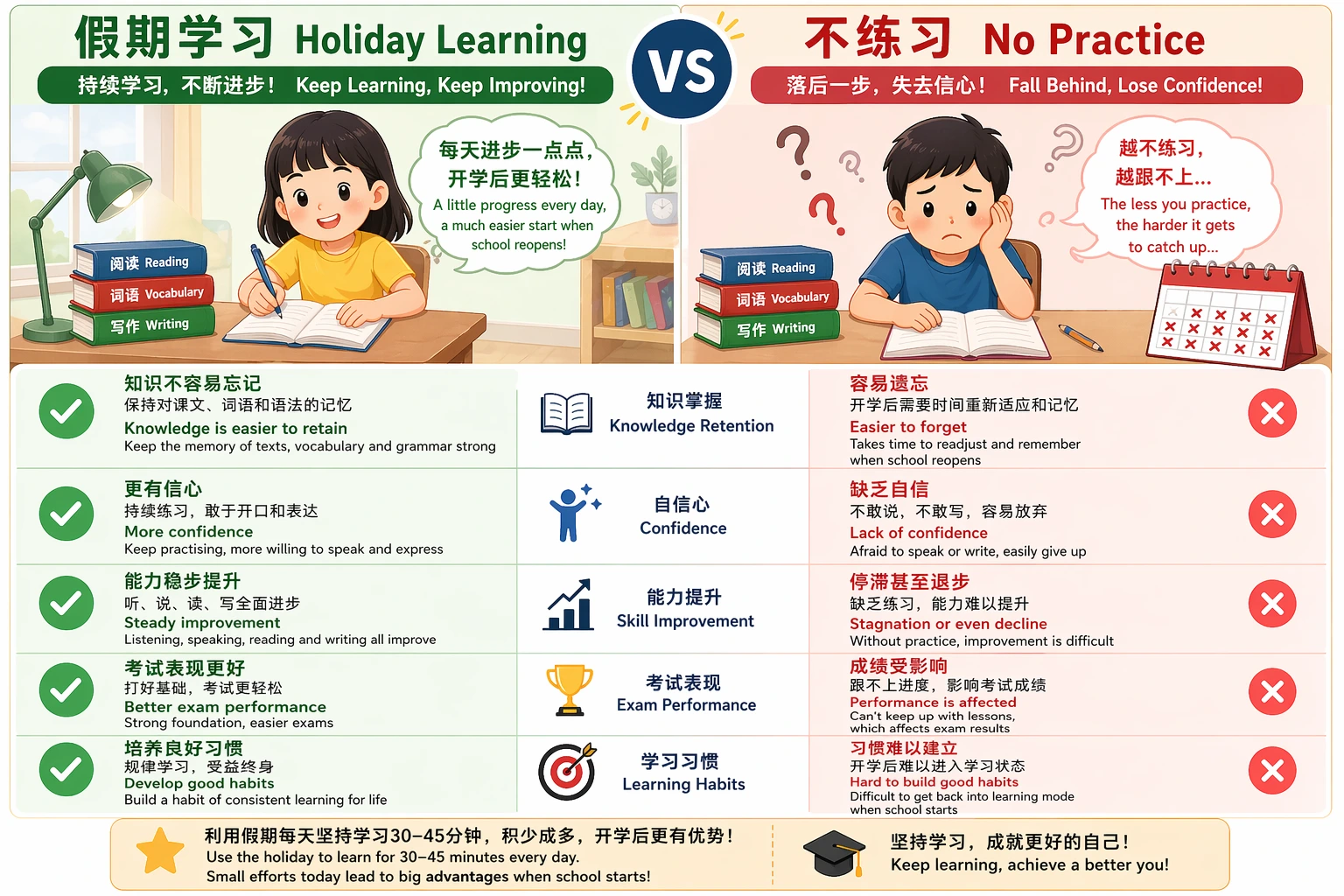
Why the Holiday Is So Important for Chinese Learning
In Singapore, Chinese is a core subject under the Singapore’s Ministry of Education (MOE). Students are expected to build strong language skills starting in Primary 1.
However, many students struggle because:
-
They do not practise consistently
-
They forget what they learned during the term
-
They lack confidence in speaking and writing
The holiday provides a perfect opportunity for:
-
Revise weak areas
-
Build good learning habits
-
Boost confidence without school pressure
According to the SEAB, consistent practice is key to performing well in major exams like PSLE.
Step-by-Step Chinese Holiday Study Plan
Step 1: Build a Simple Daily Routine
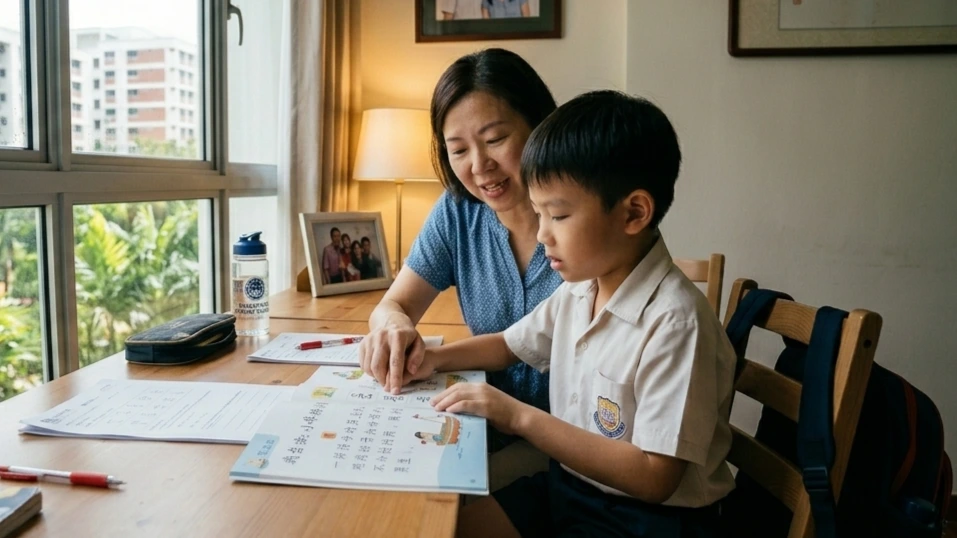
A good study plan does not need to be long or stressful. Consistency is more important than duration.
Recommended daily plan (30 to 45 minutes):
-
10 minutes reading aloud
-
10 minutes vocabulary practice
-
10 to 15 minutes writing or speaking
-
5 minutes review
This short routine helps your child stay engaged without feeling tired.
Step 2: Improve Reading Skills Through Daily Practice
Reading is the foundation of Chinese learning.
Parents can use books from the NLB to expose children to different types of content.
Tips for reading practice:
-
Choose short and interesting passages
-
Read aloud to improve pronunciation
-
Discuss the story after reading
This helps improve both understanding and speaking skills.
Step 3: Strengthen Vocabulary Effectively
Many students struggle because they do not remember enough words.
Instead of memorising randomly, use a structured approach:
-
Learn 5 new words daily
-
Use each word in a sentence
-
Review words every weekend
At LeXue Education, we use proven methods to help students remember vocabulary faster and apply them correctly.
Step 4: Practise Speaking to Build Confidence
Speaking is often the weakest area for many students.
Parents can help by:
-
Asking simple questions daily
-
Encouraging full sentence answers
-
Practising real-life conversations
Example:
Instead of asking “Did you enjoy today?”
Ask “What did you enjoy today and why?”
This helps your child develop thinking and expression skills.
Step 5: Develop Writing Skills Gradually
Writing skills improve when students have enough ideas and vocabulary.
Simple weekly writing plan:
-
Write 1 short composition per week
-
Focus on real-life experiences
-
Add details like feelings and actions
Over time, this builds a strong content bank for exams.
👉 Explore LeXue Education’s PSLE Chinese Writing & Composition Class to help your child build strong writing skills and confidence
Step 6: Use Technology and Resources Wisely
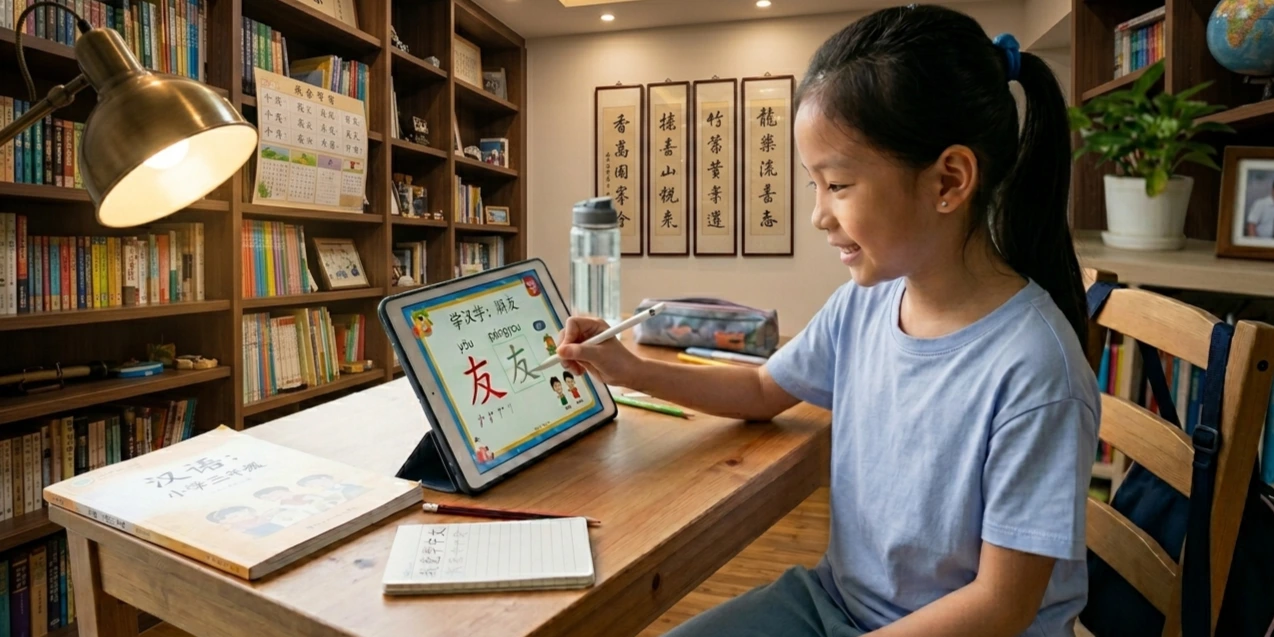
Digital tools can support learning when used correctly.
Students can:
-
Record their reading
-
Watch Chinese learning videos
-
Practise using guided materials
Structured resources from LeXue Education ensure students learn effectively without wasting time.
Common Mistakes Parents Should Avoid
Many parents have good intentions but may use the wrong approach.
Avoid these mistakes:
-
Giving too much homework
-
Focusing only on memorisation
-
Comparing with other children
-
Ignoring speaking practice
Chinese learning should be progressive and confidence-based.
How LeXue Education Supports Your Child
At LeXue Education, we provide structured programmes designed for different levels.
Our approach includes:
-
Small group classes for better attention
-
Interactive and engaging lessons
-
Focus on real exam skills
-
Regular feedback and improvement tracking
Students not only achieve better results, but also gain confidence and passion in learning Chinese.
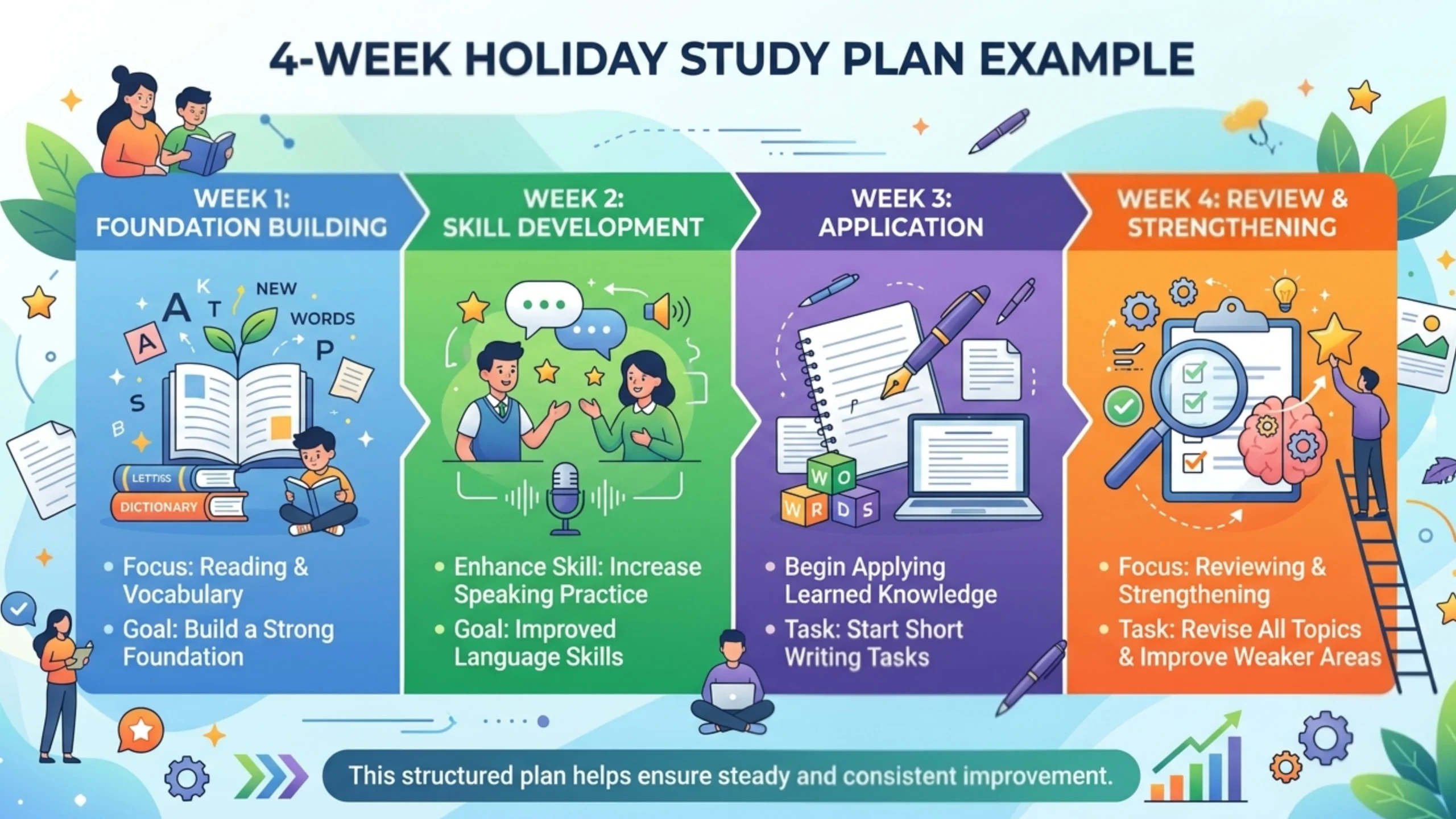
4-Week Holiday Study Plan Example
Week 1: Foundation Building
Focuses on building a strong foundation through reading and vocabulary.
Week 2: Skill Development
Enhance your skill by increasing speaking practice.
Week 3: Application
Begin applying what you have learned by starting short writing tasks.
Week 4: Review & Strengthening
Focuses on reviewing and strengthening by revising all topics and improving weaker areas.
This structured plan helps ensure steady and consistent improvement.
Conclusion: Small Effort, Big Improvement
The school holiday is a great opportunity to improve Chinese skills in a relaxed and stress-free way.
With just 30 to 45 minutes of practice each day, your child can:
-
Build strong foundations
-
Improve confidence
-
Stay on track in school
Consistent effort during the holidays can make a clear difference when lessons resume.
Frequently Asked Questions (FAQs)
-
How much time should my child spend on Chinese during the school holidays?
A daily practice of 30 to 45 minutes is enough. The key is consistency, not long study hours.
-
What is the best way to improve Chinese during the holiday?
Focus on a balanced routine including reading, vocabulary, speaking, and writing. This helps build all language skills together.
-
My child is weak in Chinese. Can they still improve during the holiday?
Yes. The holiday is a good time to strengthen weak areas step by step without school pressure.
-
Should my child focus more on memorising vocabulary?
Not only memorising. Children should understand and use new words in sentences to remember them better.
-
How can I help my child practise Chinese speaking at home?
Have simple daily conversations in Mandarin and encourage your child to answer in full sentences, not just one word.
-
Is it necessary to attend Chinese tuition during the holidays?
Tuition is helpful if your child needs structured guidance and targeted improvement, especially for PSLE preparation.
-
What type of reading materials should my child use?
Choose short, interesting Chinese books or articles suitable for your child’s level. You can find many resources from National Library Board Singapore.
-
How can I make Chinese learning more interesting for my child?
Use a mix of stories, games, videos, and real-life conversations to keep learning fun and engaging.
-
Will practising during the holiday really make a difference?
Yes. Consistent practice helps your child retain what they learned and get ahead before the new term starts.
-
What are common mistakes parents should avoid during holiday learning?
Avoid giving too much homework, focusing only on memorisation, or comparing your child with others. Build confidence instead of pressure.